Our book club selection, set in the Champagne region of France during the Second World War, brought back fond memories of a pre-cruise excursion along the Routes de Champagnes to visit the renowned and family-run champagne houses, vast underground wine cellars, and to taste the types of bubbly wine.
I am a fan of historical fiction, especially those stories set during one of the world wars with female protagonists, and this novel did not disappoint. My book review of The Winemaker’s Wife by Kirstin Harmel follows a few photos from our trip.

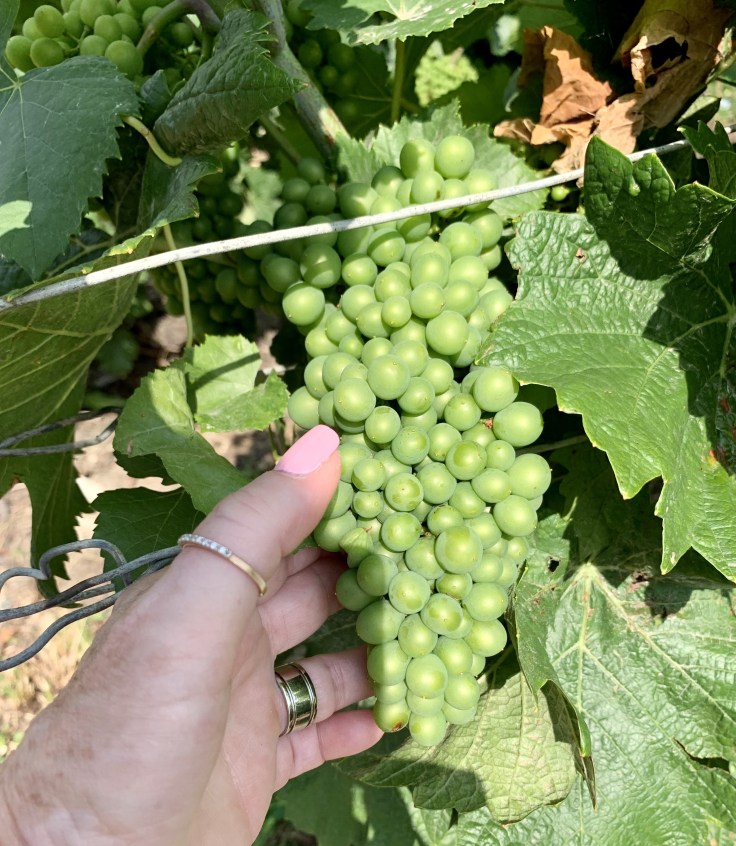

L We strolled down the Avenue de Champagne, in the town of Épernay, to have lunch on the patio of one of the famous champagne houses. M Checking out the grapes at the historic vineyards of Hautvillers. R Moët & Chandon is the preeminent house and producer of the Dom Pérignon vintage.

The quaint village of Hautvillers, with several family-run champagne houses, is the location of Dom Pérignon’s abbey. The monk was the cellar master, who contributed to the process of making champagne by blending grapes.
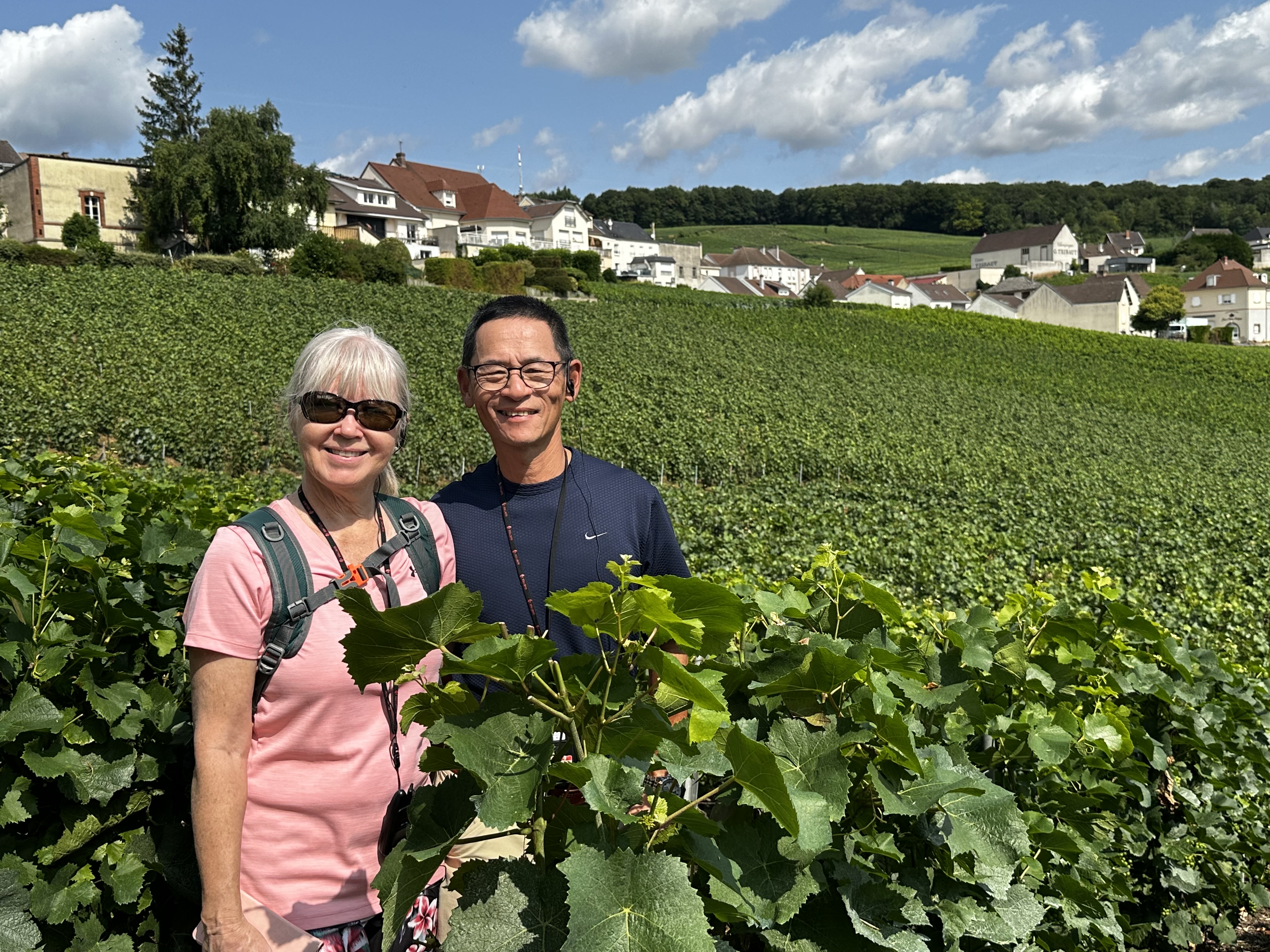
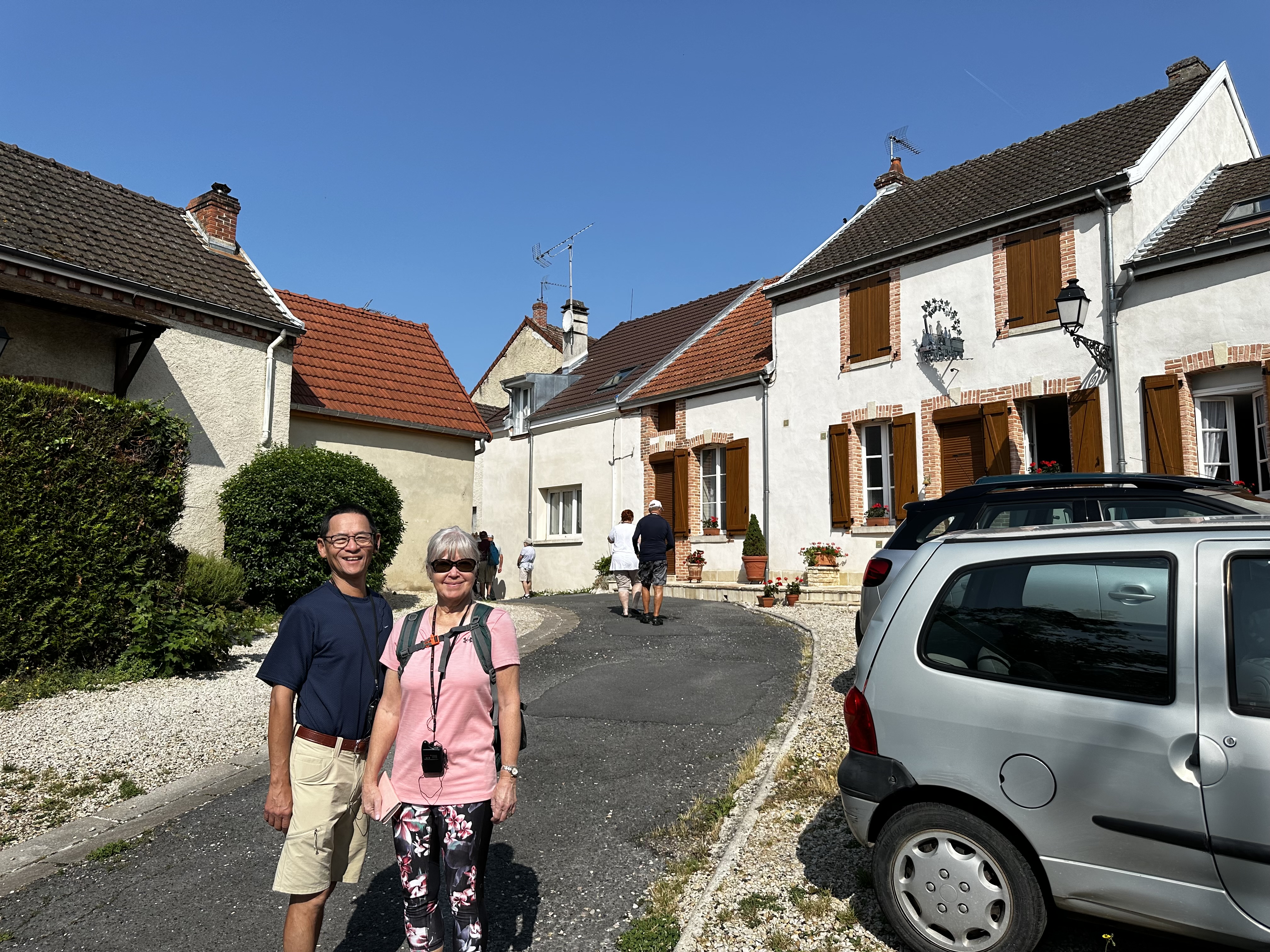
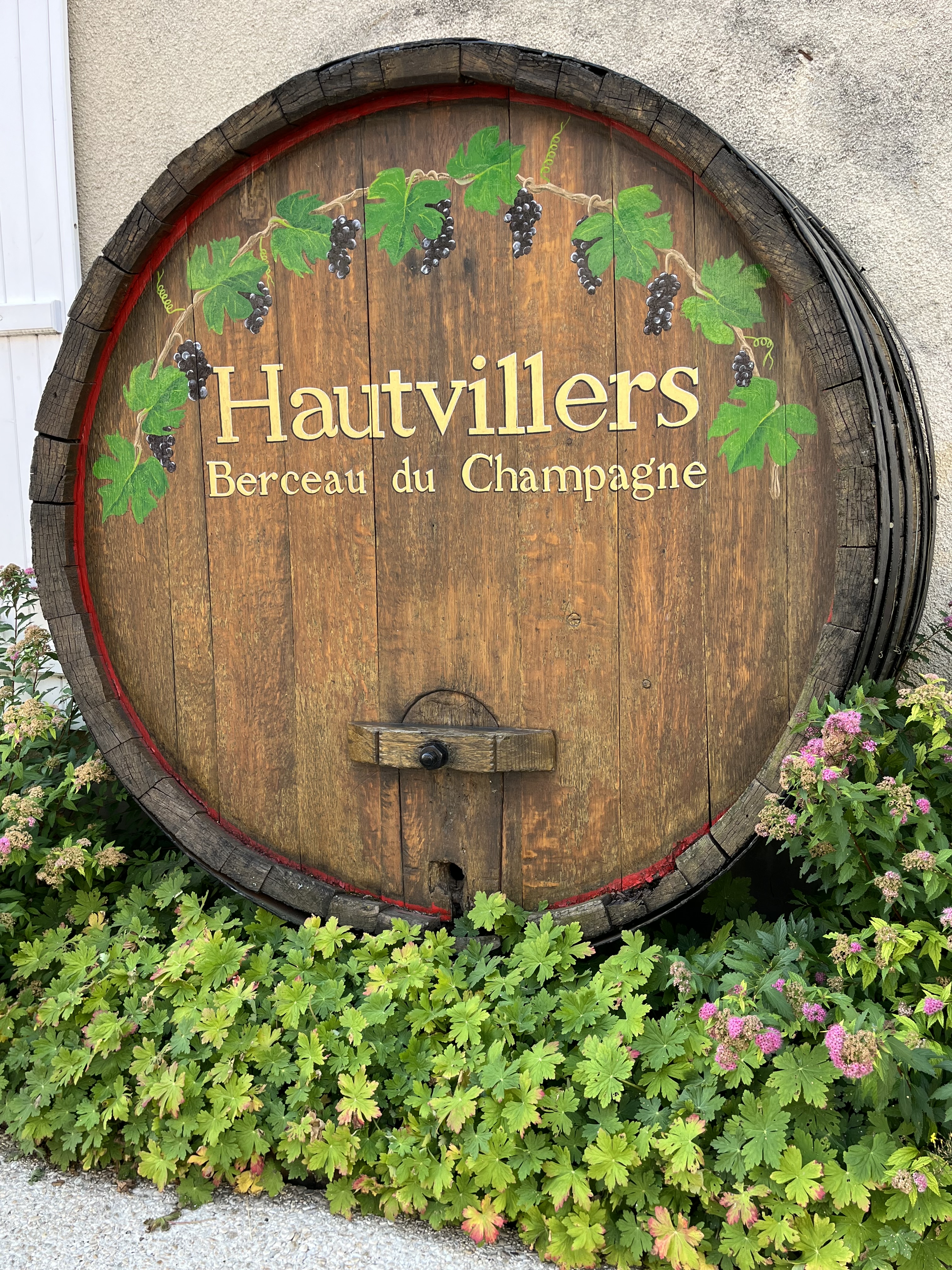
Classic champagne grapes are the black grapes, Pinot Noir and Pinot Meunier, and the white Chardonnay grape. There are no big underground cellars in hilly Hautvillers, like those in Reims and Epérnay.
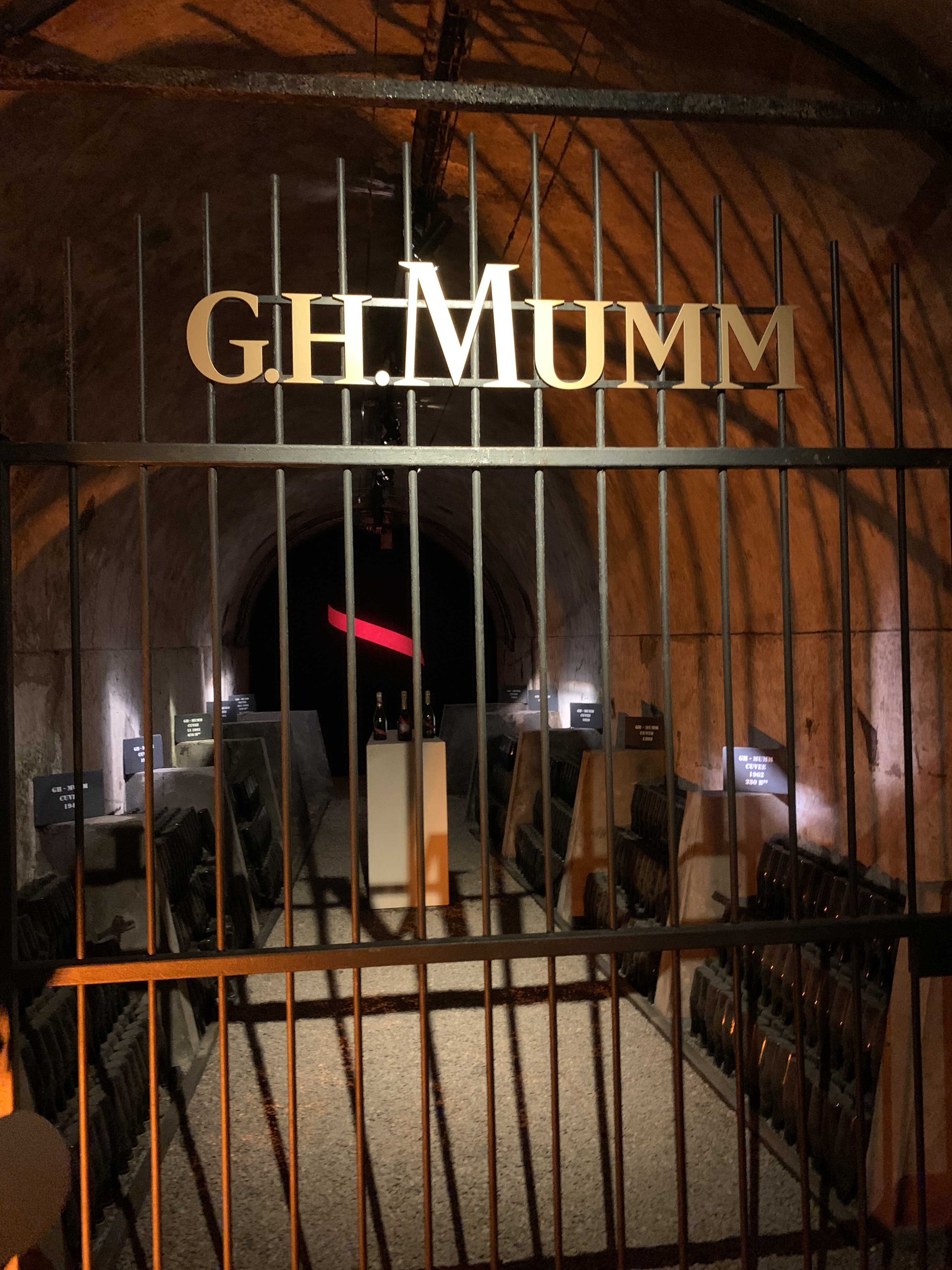

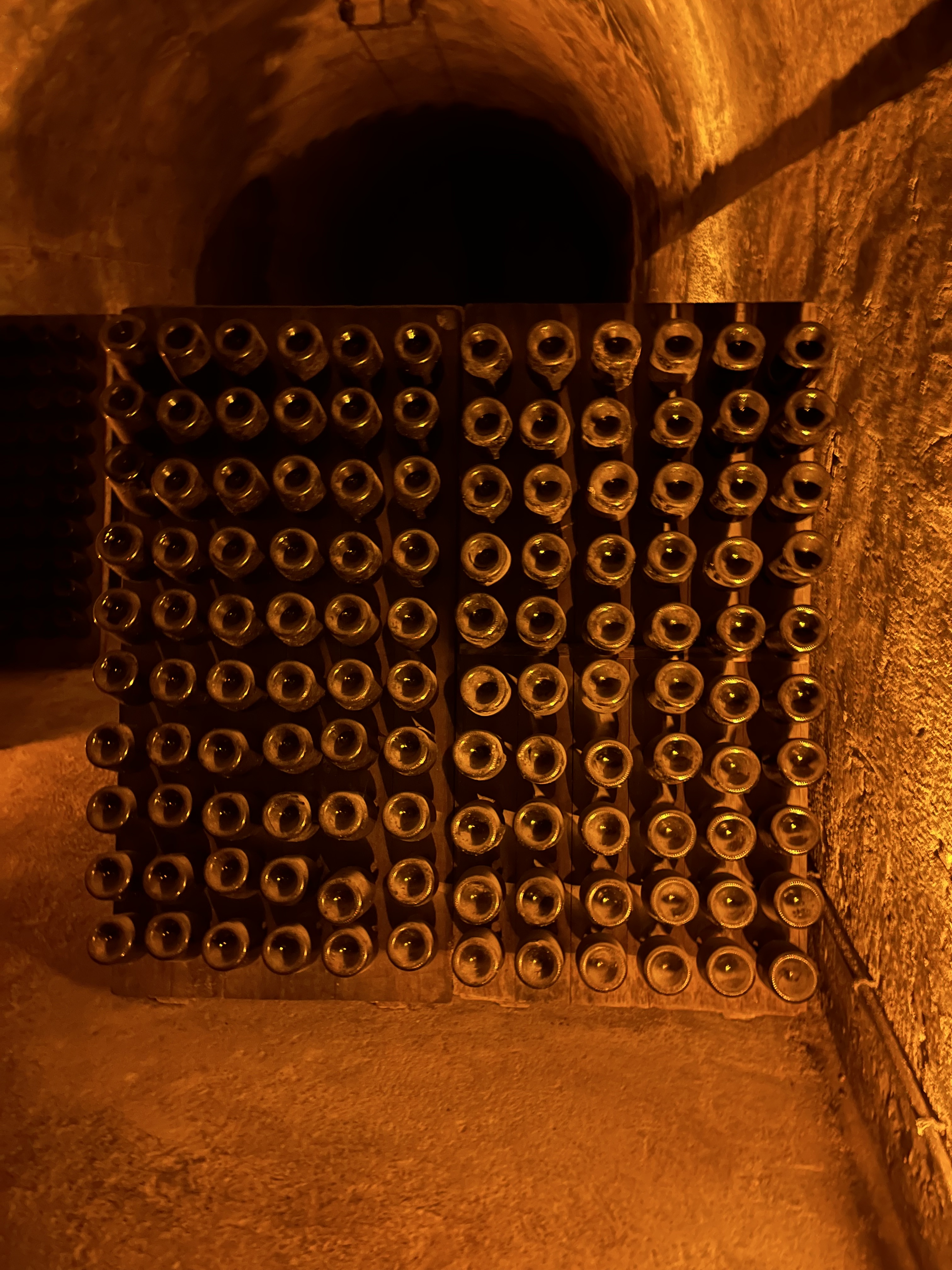

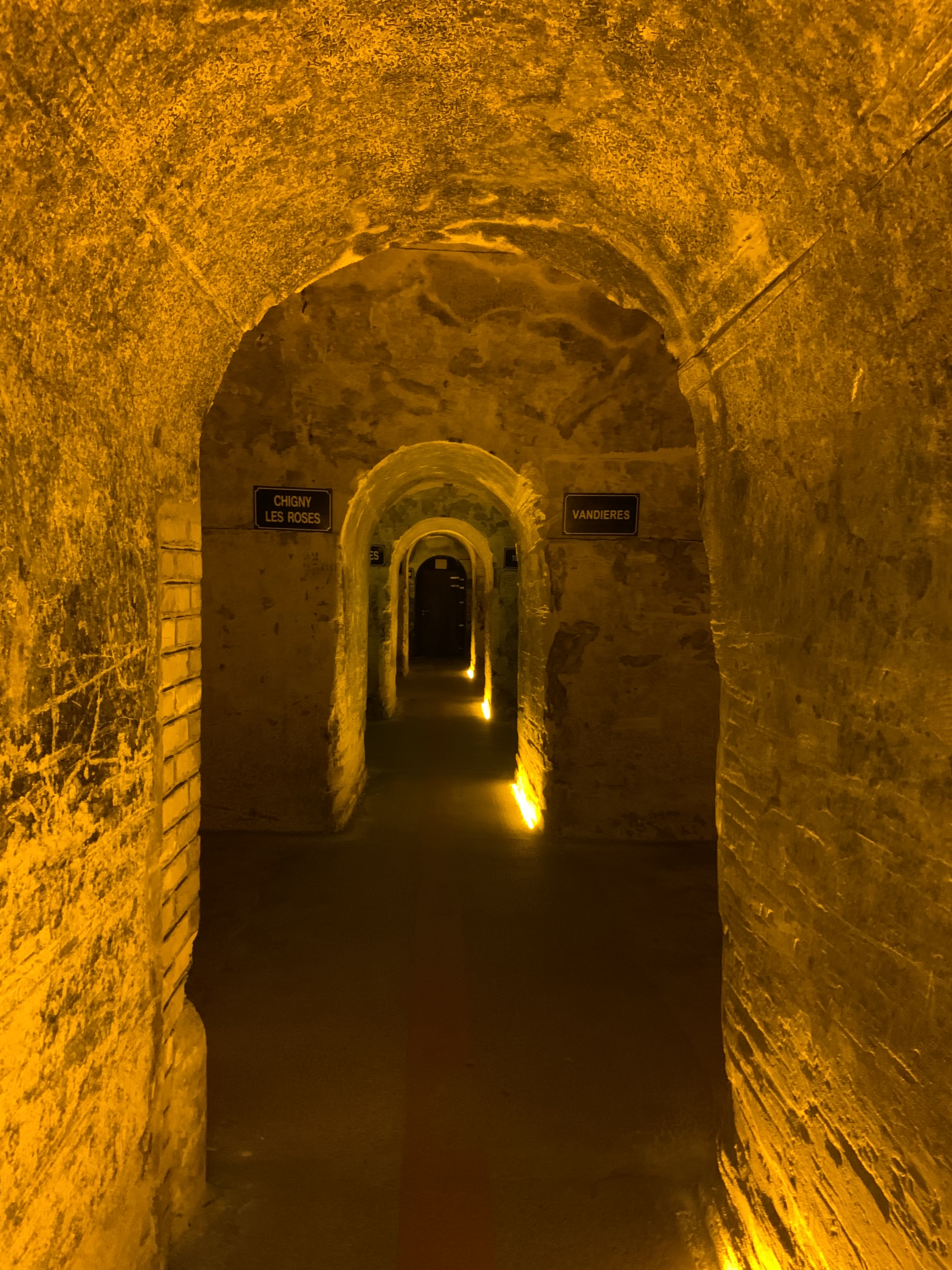
Romans first dug underground below the city of Reims to mine for chalk and salt around 80 BC. Winemakers began storing champagne in underground caves in the 1600s. Maison GH Mumm was established in 1827 and has 25 km of underground cellars beneath Reims.

Wine cruse itinerary from Luxembourg to Basel.
Waiting to board our ship in Luxembourg.
Book Review of The Winemaker’s Wife by Kristin Harmel
Does war change who we are, or reveal who we really are?
It’s one of the questions Kristin Harmel poses in her most recent historical fiction novel The Winemaker’s Wife. Set in the Champagne region of Northern France during the Second World War, the author explores the inner lives of two young wives whose betrayal of each other kills the one man they both love.
It’s a story of love and loss, trust and betrayal, secrets and lies, guilt and remorse.
The book is structured in chapters alternating between three narrating female characters. The main protagonist is Ines, the 18-year-old wife of Michel, owner of a champagne house. The second narrator is Celine, 19, the half-Jewish wife of the head winemaker Theo.
The third narrator is Liz, the 41-year-old granddaughter of Ines’ childhood friend, Edith. Her 2019 story starts with her being whisked mysteriously to Paris by her 99-year-old grandmother who has something important to tell her. Liz’s storyline functions like a jigsaw puzzle, offering clues about her grandmother’s secret past and her own heredity.
The novel takes place at the Maison Chauveau, Michel’s prestigious family-owned wine house nestled among the slopes of ribbed vineyards and villages dotting the Marne Valley. It’s May 1940 and Germany has just invaded France.
Having recently visited the Champagne region and toured several of the boutique and international wine houses, I enjoyed reading Harmel’s well researched history of champagne making, and her atmospheric descriptions of the wine production, from the cold chalk cellar caves and chilly fall harvests to the precise double fermentation process of turning red and white grapes into bubbly wine.
The author explores the emotional effects of oppressive military rule and the ways ordinary people try to adapt to war’s life-threatening conditions.
Innocent Inès, described by Céline as a “skinny, gorgeous, whirlwind,” fell in love with Michel and his promise to make her the elegant lady of the wine house. But within a year of Occupation, his teenaged bride can’t cope with war’s bleak reality and just wishes life could return to the way it was. Her once-charming naïve optimism clashes with her husband’s pragmatic view; he remembers his grandfather’s war stories and knows how bad it could get. Thinking her unhappiness is selfish he coldly turns away, leaving her feeling unloved and lonely.
“Sometimes I wonder if Michel fell in love only with the idea of me,” she tells Celine. “Like he looked at me and saw what he wanted me to be, but he has been disappointed by the reality.”
Serious natured Céline worries about her Jewish family and threats of deportation. But Theo dismisses her concerns, seeming more consumed with saving the business than saving her. Afraid and lonely, she clings to Michel’s realistic perspective and promise to keep her safe.
Michel and Theo were of like minds at the start of the war, agreeing to keep their heads down to survive and save the wine house. But after two years of submission, Michel believes the French must fight back, and secretly joins a local Resistance group moving munitions in and out of winemakers’ caves. Theo copes by denial: he can’t face the brutal reality of life under Nazi rule and focuses on the business.
The remote wine house underscores wartime themes of loneliness, anxiety and displacement. Ines had no family and never felt she belonged at the wine house. Céline was at home at the winery but no longer welcome in her own country.
Fearful Céline withdraws from life, rejecting Ines’ “unrealistic optimism” and attempts to be friends. Dejected Inès chooses to act. Desperate to win back Michel’s love and respect, she begs to join Edith’s Resistance group in Reims.
Her best friend’s flat refusal becomes an emotional spark to war’s long-kindling fuse and sets into motion irreversible actions. Inès becomes the lover of a Frenchman who she later learns is a German collaborator.
Vowing to atone, she hides Jewish refugees and weapons in their cellar caves, and defends pregnant Celine from being raped by a German officer, holding him at gunpoint until Michel can kill him.
Her frayed fuse re-ignites when she realizes Céline’s baby is her husband’s. After bewailing their infidelity to her former French lover, she realizes in the sobering dawn the Germans will come for them. But pride will not let her warn the couple of her betrayal. Instead, she nobly snatches their newborn son David from the arms of a soldier and promises to keep him safe.
Branded a Nazi ally in Reims, Inès leaves David with Edith and becomes a guerilla fighter in the forests of southern France. After the war, she returns to Reims to learn that Michel was executed by the Gestapo in 1943 and Céline died in the concentration camp shortly before liberation. Her best friend Edith was shot in a safe house raid after Germany surrendered. Still considered a traitor to France, Inès takes Edith’s identity and escapes to North America with David.
Céline returns to the wine house after Auschwitz but is told Michel, Inès and David died. She joins the exodus of Jewish refugees to Israel. Sleuth Liz continues to piece together her grandmother’s past from sources other than Edith, who can’t bring herself to admit to a lifetime of lies.
Edith-Inès remains true to character; pride and shame prevented her from telling David how she betrayed his parents during the war. She could not admit that she was Inès, Michel’s wife, and that David was her husband’s love child. She withheld Liz’s Jewish family lineage and rightful heritage for the next 40 years.
Inès’ heart was always in the right place, although her acts of loyalty and bravery were often selfishly motivated. Guilt and remorse drove her to become a “selfless soldier”, raise Céline’s child as promised, save the wine house, and split the profit between charities and David’s inheritance. She was David and Liz’s family for 75 years, and she would die before relinquishing the only role that gave her life purpose and her survival meaning.
The author has carefully controlled the forward momentum of the novel to successfully intertwine two timelines and three narrators without giving away the main plot and surprise ending. But at times I found the novel moved too slowly with the grandmother’s drawn-out confession.
For fans of historical fiction, Harmel’s book is rich in depth and detail. Her female war heroes aren’t of the battlefield, but everyday young women fighting back with inner resilience and external hope. Her book beautifully captures that flame of humanity that flickers in the hearts of those who survived.
A WordPress.com website

 word traveller
Leave a comment